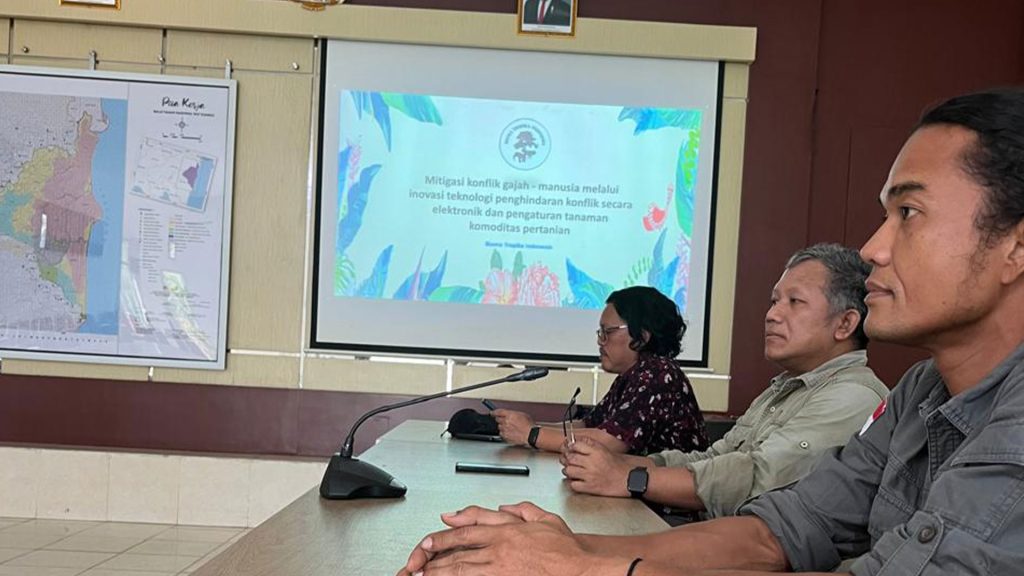
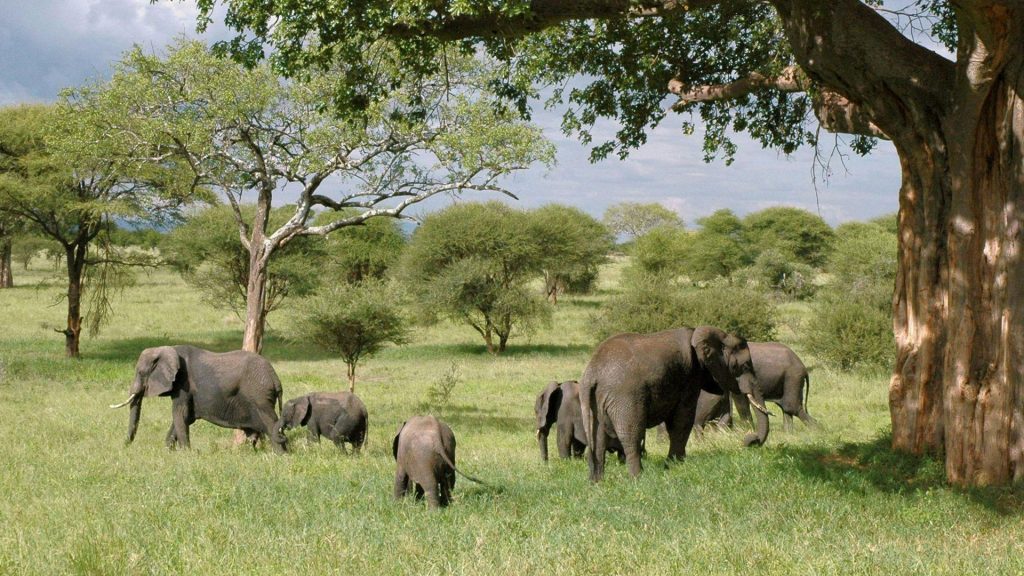
This project addresses the urgent need to conserve the Critically Endangered Sumatran elephant
(Elephas maximus sumatranus), a keystone species facing the dual threat of habitat fragmentation and escalating human-elephant conflict. With an estimated population of only 924–1,359 individuals remaining on Sumatra, the species is emblematic of broader biodiversity decline resulting from deforestation, land conversion, and inadequate protection of High Conservation Value (HCV) areas.
The project aims to demonstrate that harmonious coexistence between humans and elephants is achievable through landscape-based habitat management, strengthened multi-stakeholder governance, and inclusive community engagement. The focus areas include Aceh Jaya and the Harapan Rainforest landscape in Jambi, where forest fragmentation and land-use conflict are most acute.
Over a 36-month period, the project will be implemented through three core objectives:
Strengthening Protection and Management Systems – Activities include land cover assessments, habitat quality studies, delineation of HCV areas, and the establishment of community-based patrol teams trained in SMART monitoring systems. The goal is to enhance elephant habitat protection while integrating forest and non-forest zones into formal management regimes.
Enhancing Corporate and Community Engagement – A participatory approach will be employed to align corporate and community interests in conserving elephant corridors. This involves the planting of elephant-friendly forage species, the installation of suitable barriers, and agroforestry schemes that reduce human-elephant conflict while supporting local livelihoods.
Raising Public Awareness and Building Capacity – Extensive training programs for community rangers, policy stakeholders, and company staff will be conducted alongside participatory research on public perception. Awareness campaigns will be launched using locally informed strategies and nationwide media engagement, particularly around events such as World Elephant Day.
The project’s approach is grounded in participatory action research, collaborative management models, and technology-driven monitoring and geospatial analysis. It promotes conflict-sensitive planning and introduces early warning systems for elephant movements. At the policy level, the project aims to institutionalize HCV areas as official elephant corridors within local spatial plans and company concessions.
Expected outcomes include: improved habitat quality and expansion of protected areas; reduced incidents of human-elephant conflict; enhanced community stewardship and alternative livelihood options; and stronger alignment between conservation and corporate land-use practices. Through these outcomes, the project not only seeks to secure the survival of the Sumatran elephant but also contributes to the preservation of high-biodiversity landscapes vital to Indonesia’s environmental future.